The prehistoric period refers to the period in which humans lack written evidence.
Speech tools, cave painting styles, skeletons, and metal tools have been found in many places in Uttarakhand. This suggests that the prehistoric period was at its peak in Uttarakhand.
Numerous evidences of the prehistoric period have been discovered in Uttarakhand, including the following:
Lakhu Cave:
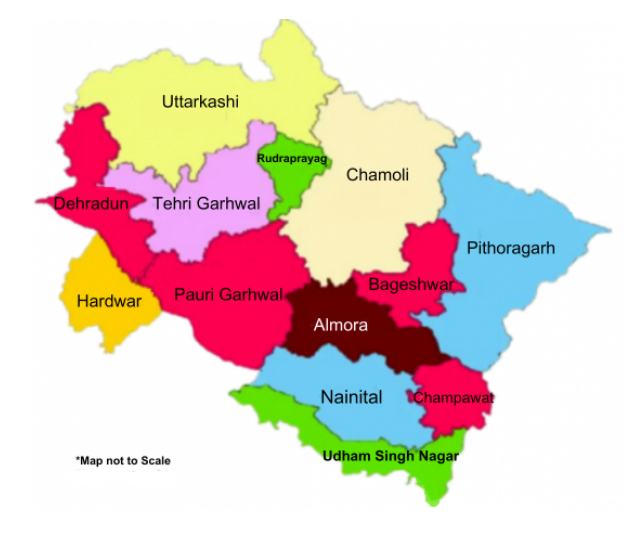
Lakhu Cave was discovered in 1963 by Maheshwar Prasad Joshi (MP) Joshi. It is located near Dal Band in Bade Chhina, Almora. Cell paintings of humans and animals, decorated with colors, have been found here.
Gwarkha Cave:
A cave located in the Alaknanda River valley near Dumri village in the Chamoli district of Uttarakhand, is also known as the Stone Age Cave.
This cave was discovered in 1993 by Rakesh Bhatt. It is located 12 kilometers from Gopeshwar. It is located on the banks of the Alaknanda River, a 1.5-kilometer trek from Dungri village. Yellow paint has been used here, along with approximately 41 colorful paintings in red and pink. These include rock paintings of humans, deer, goats, and foxes. These paintings primarily depict animals being surrounded or chased.
Kimni Village:
This village was discovered in 1998 by Dr. MP Joshi. Located in the Pinddan River valley near Tharali in Chamoli district, light white painted weapons and rock paintings of animals have been found here. To date, this is the only site where black paint has been used. An inscription has been found here, which has almost disappeared, making it black. According to Dr. Yashodhar Matpal, this inscription is approximately 2100 to 1400 years old. and is written in the Shankha script. Sankalpa is a script that has not yet been deciphered.
This cave is located in Almora, about 3 kilometers from Deepapani. Red-colored painting styles have been found here. The name Levethaap Cave is believed to refer to the blood-red paintings. The cell paintings depict humans hunting and dancing hand-in-hand. Based on the Almora district, the site is considered to be of general site category. The view from here offers an eastern view of the cave. According to Dr. Yashodhar Matpal, this suggests that the inhabitants of Levitat and Lakhon Cave may never have been in contact with each other.
Petshal:
This cave is located in Almora. It was discovered by Dr. Yashodhar Matpal in 1989. Red-colored human figures were found here.
This site is located in the Suyal River basin.
Phal Seema:
This cave is located in Almora and has yielded Yoga dance figures. Phal Seema consists of two rocks with two cup marks on them.
Hudaali Cave:
This cave is located in Uttarkashi and has yielded blue rock paintings. The special use of blue in the rock paintings at Hudali is noteworthy. An inscription in the Shankha script in black has also been found here.
Faq Questions
Question 1. What is meant by the prehistoric period?
Answer: The prehistoric period refers to a period for which written evidence is not available. This period is studied based on archaeological remains, stone tools, caves, rock paintings, and other physical evidence.
Question 2. What evidence of the prehistoric period has been found in Uttarakhand?
Answer: Rock paintings, caves, stone tools, human and animal figures, and other archaeological evidence related to prehistoric times have been found in Uttarakhand.
Question 3. What are rock paintings?
Answer: Figures depicting humans, animals, hunting, and dancing, created with natural colors on the surface of rocks or caves, are called rock paintings.
Question 4. What is the importance of rock paintings in the study of prehistoric times?
Answer: Rock paintings provide information about the life, hunting, social activities, artistic expression, and relationship of ancient humans with nature.
Question 5. Where is Lakhu Cave located?
Answer: Lakhu Cave is located in the Dal Band area near Barechhina in the Almora district of Uttarakhand.
Question 6. Who discovered Lakhu Cave?
Answer: Lakhu Cave was discovered by Dr. Maheshwar Prasad Joshi (M.P. Joshi) in 1963.
Question 7. What types of rock paintings have been found in Lakhu Cave?
Answer: The prehistoric period refers to a period for which written evidence is not available. This period is studied based on archaeological remains, stone tools, caves, rock paintings, and other physical evidence.
Question 8. What evidence of the prehistoric period has been found in Uttarakhand?
Answer: Rock paintings, caves, stone tools, human and animal figures, and other archaeological evidence related to the prehistoric period have been found in Uttarakhand.
Question 9. What are rock paintings?
Answer: Figures depicting humans, animals, hunting, and dancing, created with natural colors on the surface of rocks or caves, are called rock paintings.
Question 10. What is the importance of rock paintings in the study of the prehistoric period?
Answer: Rock paintings provide information about ancient humans’ lives, hunting, social activities, artistic expression, and their relationship with nature.
Question 11. What color rock paintings were found in the Guarkha Cave?
Answer: The given details
According to the findings, rock paintings in yellow, red, and pink colors have been found here.
Question 12. Which animals are depicted in the rock paintings of Gwarkha Cave?
Answer: In addition to humans, figures of animals such as deer, goat, and fox are depicted here.
Question 13. How are animal movements depicted in the paintings of Gwarkha Cave?
Answer: According to your notes, the paintings depict activities such as encircling or chasing animals.
Question 14. Approximately how far is Gwarkha Cave located from Gopeshwar?
Answer: According to the notes, it is approximately 12 kilometers from Gopeshwar.
Question 15. In which district of Uttarakhand is Kimni village located?
Answer: Kimni village is located in the Pindar River valley region near Tharali in Chamoli district.
Question 16. Who discovered the rock paintings of Kimni?
Answer: According to your notes, Dr. M.P. Joshi discovered this site in 1998.
Question 17. What type of rock paintings were found at Kimani village?
Answer: Weapons and animal figures painted in a light white color are mentioned here.
Question 18. What is a characteristic of the rock paintings at Kimani village?
Answer: The notes mentioned the use of black color.
Question 19. In which script is the inscription found at Kimani village said to be written?
Answer: An inscription written in the Shankha script was found.
Question 20. What is the estimated age of the Kimani inscription?
Answer: According to Dr. Yashodhar Mathpal, your notes indicate its age to be approximately 2,100 to 1,400 years old. It would be advisable to verify this date and the identity of the inscription with a reliable archaeological source before using it in the examination.
Question 21. Where is Lwethaap Cave located?
Answer: Lwethaap Cave is said to be located near Almora.
Question 22. What color rock paintings have been found in Lwethaap Cave?
Answer: There is mention of red rock paintings being found here.